
What Is Pyramid
Pyramids are monumental structures built primarily as tombs or ceremonial sites, most famously by ancient civilizations such as the Egyptians, Mayans, and Aztecs. They are characterized by their triangular sides that converge to a point at the top, forming a geometric shape that is both architecturally impressive and symbolically rich.
The most iconic pyramids are in Egypt, particularly the Pyramids of Giza, which include the Great Pyramid built for Pharaoh Khufu around 2600 BCE. This structure was the tallest man-made building in the world for over 3,800 years. Egyptian pyramids were built as elaborate tombs to honor and preserve the bodies of deceased pharaohs, helping them transition into the afterlife. They were constructed using millions of limestone blocks, with remarkable precision, despite the absence of modern tools.
In Central America, civilizations like the Maya and Aztecs also built pyramids, but with flat tops and staircases leading to temples at the summit. These served religious and ceremonial purposes, often involving sacrifices to deities. The Pyramid of the Sun in Teotihuacan, Mexico, is one of the largest such structures in the world.
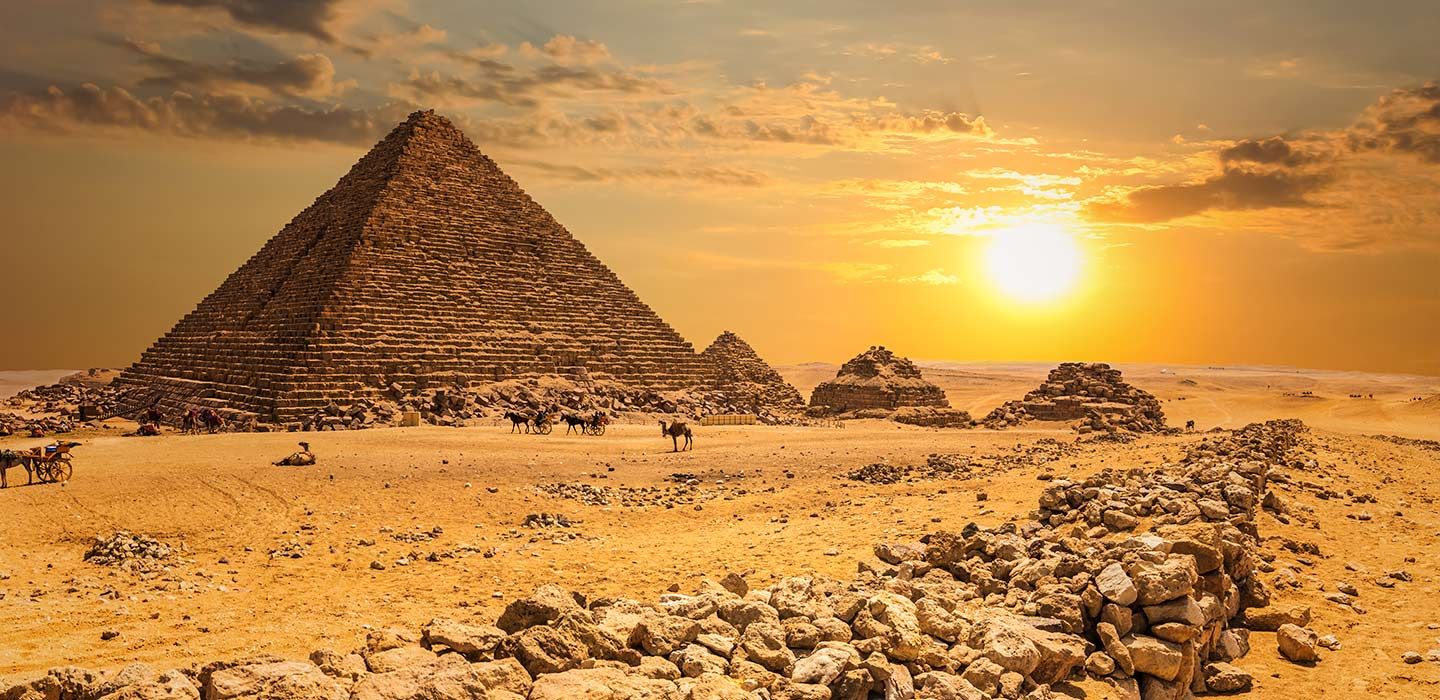
Pyramids symbolize strength, stability, and eternity. Their shape—broad at the base and narrow at the top—conveys the idea of ascension, whether spiritual or social. Some theories even suggest mathematical and astronomical significance, noting the alignment of the Egyptian pyramids with celestial bodies.
In modern times, pyramids remain a subject of fascination, studied for their engineering, cultural significance, and mysterious origins. They attract millions of tourists and scholars each year. The pyramid form has also influenced contemporary architecture and design, continuing its legacy as one of the most powerful and enduring symbols of human .
The History of the Great Pyramid of Giza
The Great Pyramid of Giza, located on the Giza Plateau near Cairo, Egypt, is one of the most iconic and mysterious monuments in human history. Built around 2580–2560 BCE during the reign of Pharaoh Khufu (also known as Cheops), it served as a royal tomb and is the largest of the three pyramids at Giza. It is the only surviving structure of the original Seven Wonders of the Ancient World.
Constructed during Egypt’s Fourth Dynasty, the Great Pyramid originally stood at 146.6 meters (481 feet) but now reaches about 138.8 meters (455 feet) due to the loss of its outer casing stones. It was built using an estimated 2.3 million limestone and granite blocks, some weighing up to 15 tons. Despite lacking modern technology, ancient Egyptians managed this colossal feat using tools like copper chisels, sledges, and ramps. The precision of its construction, especially the near-perfect alignment to the cardinal points, demonstrates advanced knowledge in engineering and astronomy.en.wikipedia.org/wiki/Great_Pyramid_of_Giza
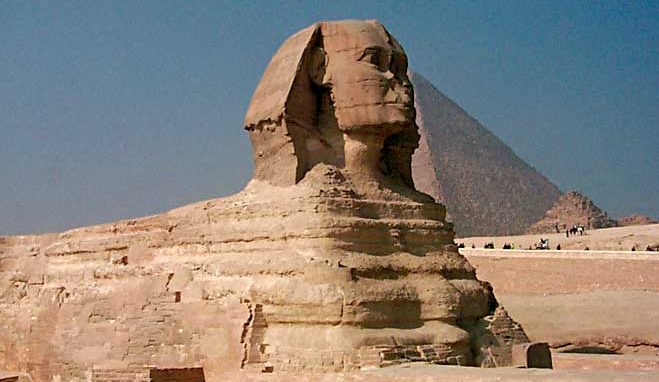
Inside the pyramid lies a network of chambers and passageways, including the King’s Chamber, Queen’s Chamber, and the Grand Gallery. These were designed to protect the pharaoh’s body and possessions and to aid his journey to the afterlife. The pyramid was part of a larger complex that included temples, smaller pyramids, and causeways.
For over 3,800 years, the Great Pyramid remained the tallest man-made structure in the world. It continues to captivate archaeologists, historians, and tourists alike, standing as a symbol of ancient Egyptian power, spiritual belief, and architectural brilliance. Though many mysteries remain about its construction and purpose, the Great Pyramid of Giza endures as a lasting testament to human ingenuity. For more details click here abfahim.xyz/blog/
No responses yet